Lunch Hour, Italian Style: Why the Afternoon Pause Belongs in Your Villa Plan
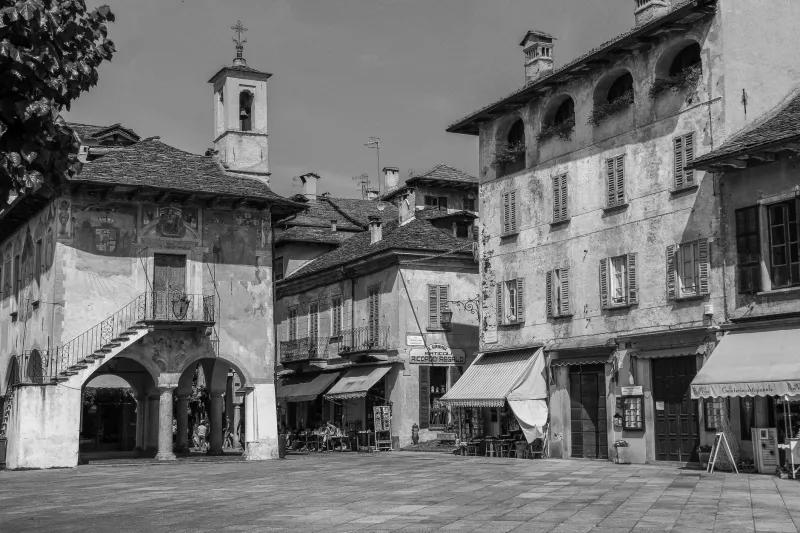
British travellers are used to shops that stay open from breakfast until dinner, and to the idea that a closed door is either a problem or a temporary glitch. In Italy, especially away from the biggest cities, the middle of the day still has its own rules. The shutters come down, the piazza goes quiet, and the person who sells you tomatoes in the morning may well be eating lunch at home by one o'clock. This is the riposo — or pausa — and it is worth understanding before you build your villa day around a series of optimistic errands.
It is not a conspiracy against visitors. It is a practical rhythm shaped by heat, meal times and the way small businesses are staffed. In July and August it also makes a great deal of sense: the hours when you would rather be in the pool or under a pergola are exactly the hours when a shopkeeper would rather be having lunch. Once you stop fighting it, the Italian afternoon starts to look less like a lost opportunity and more like the best part of the day.
What actually closes, and when
The pattern varies, so treat any timetable as a guide rather than a promise. In smaller towns, food shops often open from around 8.30 or 9.00 until 12.30 or 13.00, then reopen around 16.00 or 16.30 and stay open until 19.30 or 20.00. Pharmacies tend to follow a similar split, with a rota system for out-of-hours cover. Bakeries may close once the morning bread has gone. Clothing and gift shops sometimes open later in the morning and close for a longer lunch. Restaurants serve lunch from about 12.30 to 14.30, and dinner does not really get going until 19.30 or 20.00, often later in the south.
Museums are the great variable. Major state museums and galleries in big cities often stay open through the middle of the day, but smaller civic collections, parish museums and churches may close for two or three hours. Some close on a weekday entirely, and many churches shut their doors between midday services. Sunday and Monday closures are common for shops and museums alike. The lesson is simple: check the specific place before you drive to it, and do not assume that because a website lists opening hours, those hours apply in the season you are visiting.
The regional picture
The riposo is not a uniform Italian law. Milan, Turin and central Rome can feel almost continuous, especially in tourist-heavy districts and around train stations. Big supermarkets and shopping centres often stay open all day. In Emilia-Romagna and parts of Tuscany, small-town shops may still pause, but the rhythm can be gentler than in the south. In Sicily, Puglia and parts of Campania, the midday break is often more pronounced in summer, with some places shutting for longer and reopening later in the afternoon. Seaside resorts in August may stay open for visitors but shift their hours around beach time. Mountain villages have their own logic, especially outside the ski season.
Rather than memorise a national rule, ask your villa host. They will know whether the local bakery closes at one, whether the pharmacy takes a proper lunch, and whether the nearest supermarket is the kind that stays open all day. That one question can save you an afternoon of driving between closed doors.
Errands before the shutters
If you need to shop, do it in the morning. The market is usually at its best before 11.00, and the best produce goes early. Buy bread, cheese, cold cuts, fruit and wine before 12.30. If you are arriving on a Sunday or a public holiday, plan ahead: Monday may be quieter than you expect, and August can rearrange the whole town. Pharmacies are worth checking on arrival, not when someone has a headache at 14.00. Look for the rota notice on the door, which lists which pharmacy is open when. Tabacchi sell stamps, bus tickets and often much more; they may or may not close for lunch, so buy what you need when you pass.
Larger supermarkets in bigger towns are the reliable exception. So are motorway services, train station bars and some cafés that serve panini through the afternoon. A bar may keep the coffee machine going even when the kitchen is closed. But do not build a day around the hope that the little alimentari will be open at 14.30. It probably will not be.
A villa day that works with the rhythm
Here is a simple timetable that turns the quiet hours into the best part of the day. It is not a military schedule; it is a shape for the day.
08.00 Coffee, fruit and something from the bakery. Open the shutters, check the sky and decide whether the pool or the market comes first.
09.00 Head to the market or the local food shop. Buy lunch and dinner components while everything is open. If you need a pharmacy or a tabacchi, do it now.
11.30 Back at the villa. Prep lunch — tomatoes, bread, olive oil, something cold — and put drinks in the shade.
12.30 Lunch under the pergola or on the terrace. This is not a snack. It is the main event, and it should take longer than you think.
13.30 Pool, book, shade. The sun is at its most serious now, so this is not the moment for a long walk or a museum queue.
14.00–15.30 Proper siesta. Close the shutters, lie down, let the house go quiet. Even if you do not sleep, the pause is the point.
16.00 Espresso. The town is waking up again. This is the moment for a second errand, a wander or a short drive.
18.00 Aperitivo, if you like that sort of thing. The evening has not been shortened by the afternoon; it has been saved from the worst of the heat.
20.00 Dinner, either at the villa or in town. Book if you want somewhere popular, especially in August.
Day trips and the two o'clock problem
The classic mistake is arriving in a small town at 13.30 expecting lunch, shops and a museum. You will find a few cars, a closed bakery and a bar doing its best. Instead, arrive by 9.30 or 10.00. Walk the streets, have a coffee, visit the church or the small museum while it is open, and then sit down for lunch at 12.30. After that, either linger over coffee or head back to the villa for the pool. If you are visiting a big city, use the middle of the day for a major museum or gallery that stays open, and save the wandering for morning and late afternoon. Check closing days as carefully as lunch hours; a museum that is open at 13.00 may still be shut on a Tuesday.
If you forget, do not panic
Italy is not a country of locked doors. Larger supermarkets, station bars and motorway services keep working. A café may serve a simple panino all afternoon. Pharmacies display emergency rotas. Keep water and a few snacks in the car, and treat a closed shop as a nudge rather than a disaster. The worst that happens is that you have lunch earlier and swim longer.
The payoff
The riposo is not an inconvenience to be routed around. It is a reminder that the villa holiday works best when the day has some shape. In the UK we often try to cram everything into the afternoon, then wonder why we are tired by dinner. In Italy, the middle of the day belongs to the house: the shutters, the pool, the long lunch, the nap. Plan your errands for the morning, your day trips for the edges of the day, and let the quiet hours do their work. You will see more, rush less and come home with the one thing a villa holiday is supposed to deliver — a proper sense of having been away.