Cornetti at 7.30: The Case for Planning Your Villa Week Around a Bicycle
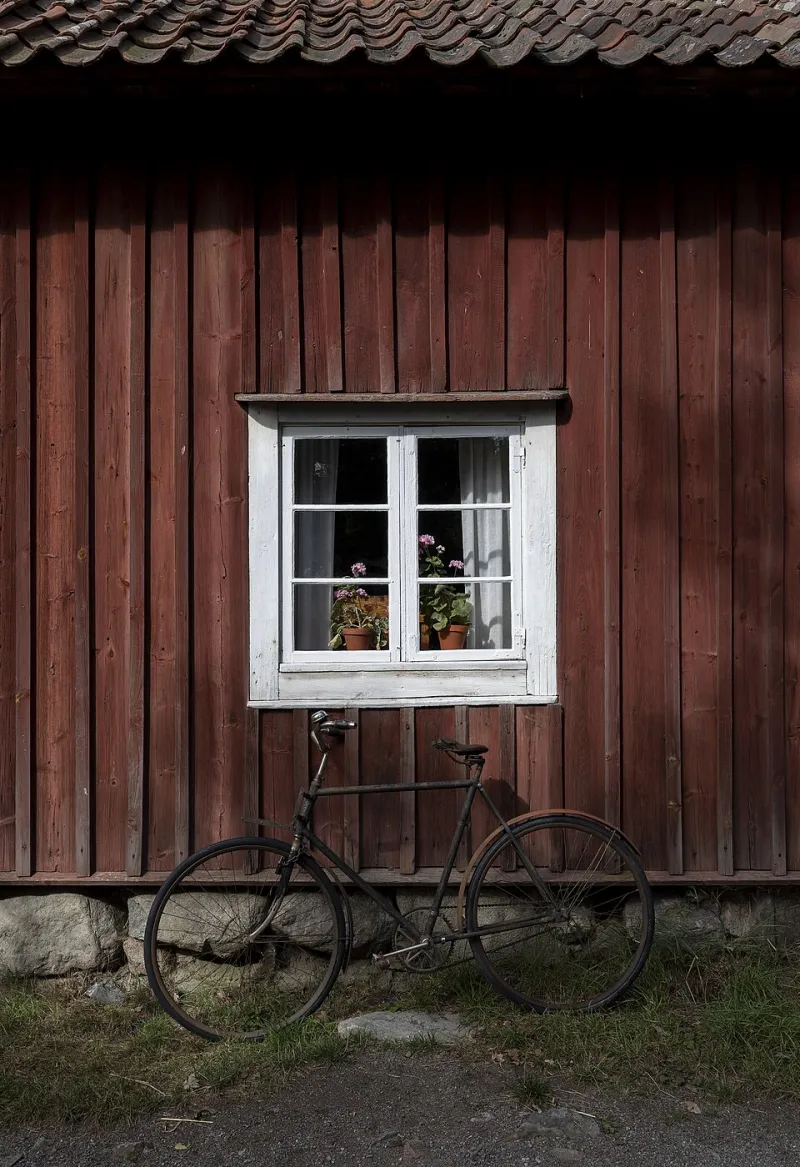
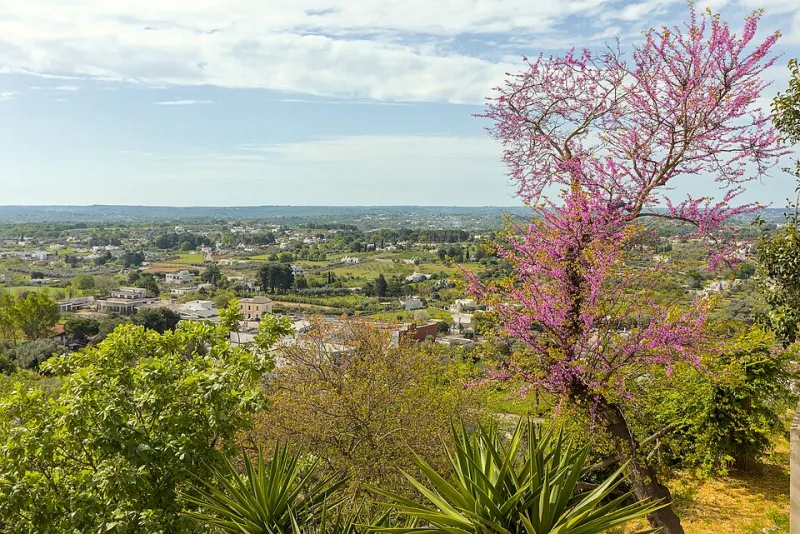
Photo: Jules Verne Times Two, CC BY-SA 4.0, via Wikimedia Commons
Here is a claim we will defend over a long lunch: for most Italian villa weeks, one bicycle is worth more than one hire car.
Not because cars are bad. Because most villa holidays are lived in a radius of three or four kilometres — the bakery, the village, the market, the nearest beach, the trattoria everyone recommends — and a bike covers that radius faster than walking, cheaper than a taxi and with far less drama than reversing down a cypress-lined drive at dusk.
It also gives the day a shape. That is the bit nobody puts in the brochure.
Why two wheels quietly beat four
Parking in an Italian hill town is a competitive sport. Historic centres are closed to traffic, and the fines arrive months later with a photograph attached. Then there is the drink at lunch, the drink at six, and the designated-driver conversation that nobody wants to have on holiday.
On a bike, the village is eight minutes away. You go in for bread and come back with peaches. You go out for a coffee and stay for a second one. Someone in the group always wants to leave early or stay late, and with a bike they simply can.
The villa checks, in order of importance
Bike storage. Lockable, dry, ground floor, and not a shed with a broken latch behind the pool. Ask for a photograph. Vague answers about 'space in the garage' usually mean a garage full of the owner's furniture.
Actual distance to the village. Measured along the road, not as the crow flies. Four kilometres on a quiet lane is a pleasant errand; two kilometres on a fast road with no shoulder is not. Use Street View and look at the surface, the width and whether there is anywhere to walk a bike if needed.
The kind of road. Provincial roads with light traffic are generally fine. Strade statali — the SS-numbered routes — are not places to cycle with children, however short the stretch.
Gradient and surface. Gravel drives are manageable. A twelve per cent climb to the gate is not, especially at four in the afternoon with a bag of shopping. White gravel roads puncture thin tyres and turn into mud after rain.
The last two hundred metres. Nobody mentions the unlit track between the gate and the house. At dusk, with no lights and a bad surface, that is where the week's only accident happens. Check it, and buy a decent set of lights.
Hiring: the boring details that actually matter
Most Italian towns of any size have a hire shop, and the small ones often deliver to the villa for a small fee. Weekly rates for a decent hybrid sit somewhere around fifty to ninety euros; e-bikes cost considerably more but flatten the hills entirely, which matters if the villa sits above the village.
Book ahead in July and August. Inspect the brakes before you ride away, ask for a lock as standard, and check the lights work. Helmets are compulsory in Italy only for under-sixteens, but nobody has ever regretted wearing one on an unfamiliar road.
The heat is not a joke, and the timetable is not optional
Ride before nine and after six. Between those hours the sun does what it does in Italy in July, and the road shimmers in a way that means 'not now'. Carry more water than you think you need — a litre and a half per person for anything over half an hour — and wear something pale. The pool is the reward, not the midday interval.
Anyone who has attempted a hilly ten-kilometre loop at two in the afternoon will tell you the same thing: it is not a fitness question, it is a judgement question, and the answer is no.
The bakery loop: the best fifteen minutes of the day
This is the routine that makes the whole idea work, and it is always the same.
Up at seven, out by half past, ten minutes down the lane while the air is still cool and the swallows are doing their thing. The bakery has been open since six. The cornetti are still warm; the loaf you ordered yesterday is in a paper bag with your name pencilled on it. You drink an espresso standing at the bar, because that is what you do, and you are back at the villa by a quarter past eight with breakfast for eight people.
Suddenly the person who does not drive has the most useful job of the week, and it takes fifteen minutes.
The lunch run
Half past eleven, before the heat, back to the village for tomatoes, mozzarella, peaches, a bag of ice and whatever the market has that looks better than the plan. Home by twelve. Everything in the fridge before the sun is properly overhead.
Two errands a day, both short, both pleasant. That is what a bike gives a villa week that a car does not: a reason to leave the pool twice, and a reason to come back.
What to carry, and what to leave behind
A spare tube, tyre levers, a small pump, a multitool, a phone mount, a light lock and twenty euros in cash. Water. That is the entire kit. Leave the panniers and the performance clothing at home — this is not a cycling holiday, it is a holiday with a bicycle in it.
When to ignore all of this
If the group includes children under eight on open roads, if the villa sits on top of a hill with one steep approach, if the only route to the village is an SS road, or if it is raining — take the car, or take a taxi, and do not feel noble about it. A mixed arrangement also works beautifully: one small car for the airport run and the far-flung beach, three bikes for everything else.
The point is not purity. The point is that a villa week lived at four kilometres an hour is a better one than a week lived at fifty, and the bakery knows your order by Thursday.