Cooking in an Italian Villa: A Very British Guide to the Kitchen
Photo: Willis Lam, CC BY-SA 2.0, via Wikimedia Commons
There is a particular kind of British optimism that kicks in when you book a villa with a kitchen. You imagine yourself at a scrubbed wooden table, chopping tomatoes, tearing basil, saying things like 'it's all about the ingredients'. Then you arrive, open a drawer and find a device for making coffee that looks like a small chemistry set. The oven dial is in Celsius. The hob has symbols you don't recognise. The nearest supermarket is 20 minutes away and closes for lunch.
Welcome to self-catering, Italian style. It's brilliant, but it has rules. Here's what to know before you start cooking.
Rule one: shop like a local, not like a supermarket sweep
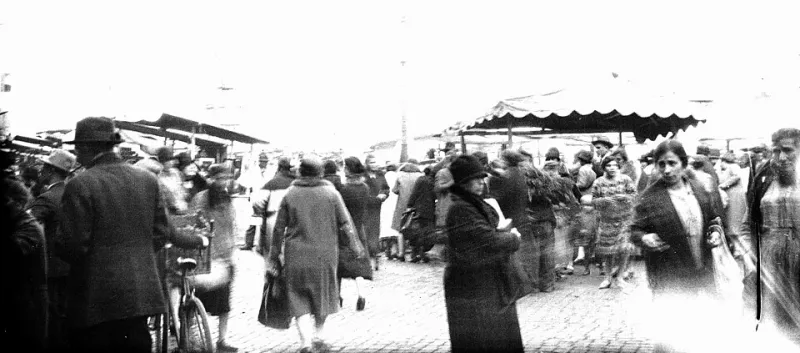
Italian food shopping is not a weekly blitz. It's a series of small, pleasant errands. The greengrocer wants you to look at the produce, the butcher will tell you how to cook it, and the market stallholder will not thank you for squeezing every peach. Take cash, bring your own bags, and learn the phrase 'quanto costa?' - how much is it? It will serve you well.
Markets are the heart of it. Go early, go hungry and buy what looks good rather than what's on your UK shopping list. In winter you'll find cavolo nero, artichokes, oranges, fennel and pumpkins. In summer it's tomatoes, courgettes, peaches and melons. Supermarkets are fine for basics - Conad, Coop, Esselunga and Carrefour are all reliable - but the fun is in the little shops. Buy bread from a bakery, cheese from a deli and wine from wherever the locals are queuing.
Rule two: decode the hob and oven before you need them
Italian villa kitchens are often charming and occasionally baffling. Gas hobs are common, sometimes with no markings left on the dials. If it clicks, it's got an ignition. If it doesn't, you need a match or a lighter. Induction hobs are increasingly common, which is great news unless you've brought a pan that isn't magnetic. Check before you pack - or be prepared to buy a cheap one locally.
Ovens can be static or fan, and the dial might be in Celsius with a mysterious set of symbols. If there's no fan, add 10-20°C and rotate the tray. If there's a grill, use it for toast and bubbling cheese. If there's no oven at all, embrace the hob and the barbecue. A thermometer is a cheap, small thing to bring if you're planning to roast.
Also: plugs. Italy uses Type F and Type L sockets, so bring a couple of adapters. The voltage is the same as the UK, but don't assume your hair dryer will thank you. And if you're bringing a favourite pan, remember that a heavy cast-iron skillet is a lovely thing but a terrible thing to pack in hand luggage.
Rule three: coffee is a ritual, not a rescue mission
You will not find a kettle in every villa. You may find a moka pot. Learn to use it: fill the base with water to the valve, add ground coffee to the basket without tamping, screw it together and heat it gently until it gurgles. Don't tamp it like an espresso machine. Don't walk away. And don't wash it with soap if you want to keep the seasoning.
If you're desperate for a proper cup, go to a bar. Standing at the counter with a macchiato is one of Italy's great cheap pleasures. Cappuccino after 11am is not illegal, but locals may judge you quietly. Consider an espresso instead. If you need tea, bring your own bags. British tea bags are a legitimate luxury item.
Rule four: when you can't find British staples
You will not find cheddar in every village. You will find parmesan, pecorino and a thousand other cheeses that are better with pasta. You will not find baked beans, but you will find cannellini beans, pancetta and good tomatoes. You will not find proper back bacon, but pancetta or guanciale will do the job. Gravy granules are not a thing. Stock cubes are.
The trick is to stop hunting for substitutes and start cooking what's there. A pasta sauce made with cherry tomatoes, garlic, olive oil and a bit of chilli is not a compromise. It's dinner. A frittata with leftover vegetables and pecorino is lunch. A plate of sliced tomatoes with good oil and salt is a starter. If you're really homesick, bring Marmite, but don't expect the locals to understand.
Rule five: build simple meals from local ingredients
The formula is simple: carb, vegetable, protein, good oil, acid. Pasta with cime di rapa, anchovy, garlic and chilli. Rice with courgettes and parmesan. Roast chicken with potatoes, rosemary and lemon. Tuna and bean salad with red onion. Bruschetta with tomatoes and basil. A deli rotisserie chicken is a perfectly valid cheat.
Plan your first night. You'll be tired and the shops may be shut. Ask your host if they can stock basics - milk, bread, coffee, water - or pick something up at the airport. Don't overbuy. Italian food is best when it's fresh, and a fridge full of sad half-used vegetables is not the dream.
Rule six: rubbish, water and the dishwasher
Italian recycling can be a competitive sport. There may be four or five bins, and collection days matter. Your host will explain, or there'll be a laminated sheet. Follow it. Tap water is drinkable in most places, but ask if you're unsure. If there's a dishwasher, use it properly: salt, rinse aid, and don't put the good knives in. If there isn't, embrace the washing-up with a view.
The golden rule
Cook less than you think you should, shop more often than you would at home, and leave the kitchen as you found it. You're not on a cookery course. You're on holiday. The best meals in an Italian villa are often the simplest: bread, cheese, tomatoes, olive oil, a bottle of something cold, and a table outside. That's not cheating. That's the whole point.