Slow Burn: Your First Night With the Villa Pizza Oven
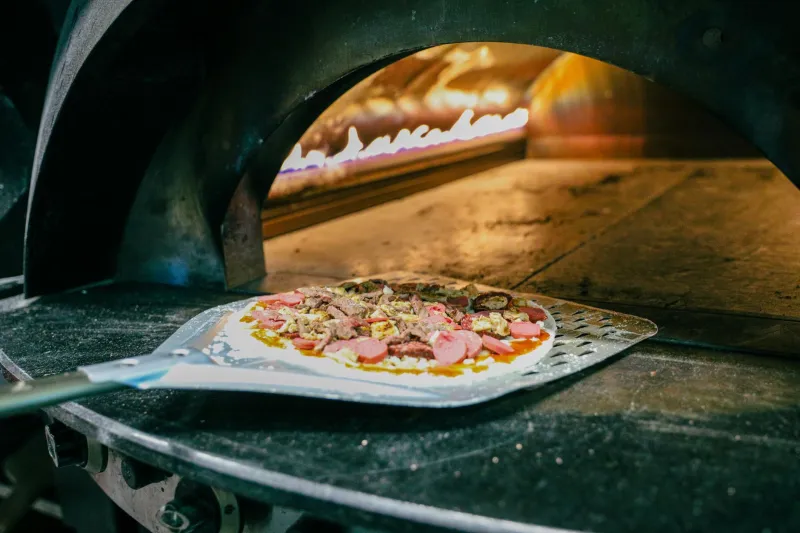
There is a moment, usually around 6pm on the second day, when someone spots the villa pizza oven and announces that tonight is pizza night. The dome is charming. The chimney is promising. The peel hanging on a nail looks almost professional. Then everyone turns to you, because you are the one who once made flatbreads on a barbecue, and suddenly you are responsible for fire management in a foreign country.
Take a breath. A villa forno is not a mysterious temple. It is a box that gets very hot, and like a British barbecue it rewards a bit of patience and punishes showing off. The aim is not to recreate a Naples pizzeria in one evening. The aim is to eat something good, slightly charred, outside, with a glass of something cold, before the mosquitoes get serious.
First, Look Before You Light
Before you buy a single log, inspect the setup in daylight. Open the door, look up the chimney and check for obvious blockages — birds are optimistic builders. Make sure the oven sits outside or under a proper flue, never in a garage, shed or enclosed veranda. Check whether it is a wood oven, a pellet oven or a hybrid, because the fuel instructions matter. Look for the tools: peel, brush, ember rake, door, and ideally a temperature gauge. Some villas leave a folder with the house rules; read the page about the oven before the first glass of prosecco, not after.
Ask your host or villa manager one clear question: how do you usually light it? A two-minute demonstration by WhatsApp video is worth more than a dozen internet opinions. Also ask where the ash goes and whether there are fire restrictions in the area. In high summer, parts of Italy are tinder-dry, and a casual spark can turn a lovely evening into a phone call nobody wants.
The Fuel Question: Wood, Pellets and Wild Ideas
If it is a wood oven, you want dry, untreated hardwood. Kiln-dried logs are ideal. Do not burn scrap timber, painted wood, pallet offcuts or anything that smells of varnish, because the oven will repay you by making the pizza taste like a DIY project. In Italy, look for legna da ardere at a local ferramenta, garden centre or supermarket, and ask for legna secca if your Italian stretches that far. Small split logs are easier to manage than giant lumps; you want a quick, bright fire rather than a heroic bonfire.
Pellet ovens are simpler but less forgiving. Use the pellets specified by the manufacturer, not cat litter, wood chips or hope. A pellet oven can heat fast and run hot, so follow the villa instructions and keep the hopper sensible. Whichever fuel you use, buy more than you think you need for one evening, but not so much that you are storing a small forest in the living room. A modest bag and a dry place to keep it is enough.
The First Firing Is Not Dinner
The first fire of the week is mostly about drying and learning. A cold oven may have absorbed damp, especially in shoulder season, and slamming a huge fire into it is the equivalent of revving a cold engine. Start small: twisted paper or a natural firelighter, kindling, then a couple of small logs. Let the flame establish. Watch the smoke. Listen to the draw. If smoke pours out of the door instead of up the chimney, the fire may need more air or the chimney may need a check.
Bring the oven up gradually over 30 to 45 minutes. The dome will go from black to grey to sooty-clean as deposits burn off. This is normal, and slightly theatrical. Do not panic when the outside of the oven gets warm; do panic if flames lick out of places they should not, or if the chimney is glowing like a distress signal. Keep a bucket of water and a fire blanket nearby, and never leave a live fire unattended. The first firing is a rehearsal, not a performance. If the oven is still sulking, stop and eat something else. It will survive. So will you.
Dough, Toppings and the Sociable Bit
Pizza night works best when it is not one person doing everything while everyone else offers advice. Make or buy the dough earlier in the day. In Italy, a local bakery or pizzeria will often sell you dough balls if you ask politely, and supermarket dough is a perfectly respectable shortcut. Let the dough come to room temperature before shaping. Cold dough fights back.
Set up a topping station away from the heat: tomato sauce, mozzarella torn and drained, basil, olive oil, a few simple cooked vegetables, maybe some salumi. Resist the urge to build a towering masterpiece. A wet, overloaded pizza will stick, tear and end up as a calzone with regrets. Less is more, and a light hand with sauce is the difference between crisp and soggy.
Appoint a fire manager and a peel operator, or let one person do both if they are calm. Stagger the pizzas. Someone should be shaping while someone else is baking, and someone else should be opening wine and keeping children away from the mouth of the oven. The sociable bit is the point: a slow relay of small pizzas, a bowl of olives, a plate of tomatoes, and a few false starts that become the story of the holiday.
Safety Without the Lecture
A few basics are worth saying out loud. Keep long sleeves and hair tied back near the fire. Use proper tools, not a tea towel wrapped around a fork. Never use water on a fat fire, though a wood fire in a contained oven is a different beast — still, a bucket of sand or a fire blanket is better than improvising. Keep children and dogs at a sensible distance. Do not pour ash into a plastic bin while it is still warm. And never, ever bring a pizza oven indoors or into a tent, even if it is raining and the villa has a lovely covered terrace but the oven does not.
When the Forno Says No
Some nights the oven will refuse to cooperate. The wood is damp, the wind is wrong, the chimney is moody, or everyone is too hungry to wait. Have a fallback before this happens. The villa kitchen can turn out a decent tray of focaccia or a pasta bake. A local pizzeria will usually sort you out, and a takeaway eaten on the terrace is still a holiday. Or light the barbecue and call it a grill night. Nobody will remember that the pizza oven defeated you. They will remember that you did not let it ruin the evening.
The best approach is to treat the oven as a bonus, not a test. Check it, fuel it sensibly, warm it slowly, keep the toppings simple and the mood light. If it works, you get blistered crusts and a smug glow. If it does not, you get a story and a takeaway. Either way, you are in Italy, and dinner is outside. That is already a good night.