A Paper Bag and a Warm Cornetto: The Villa Morning Errand That Beats the Buffet
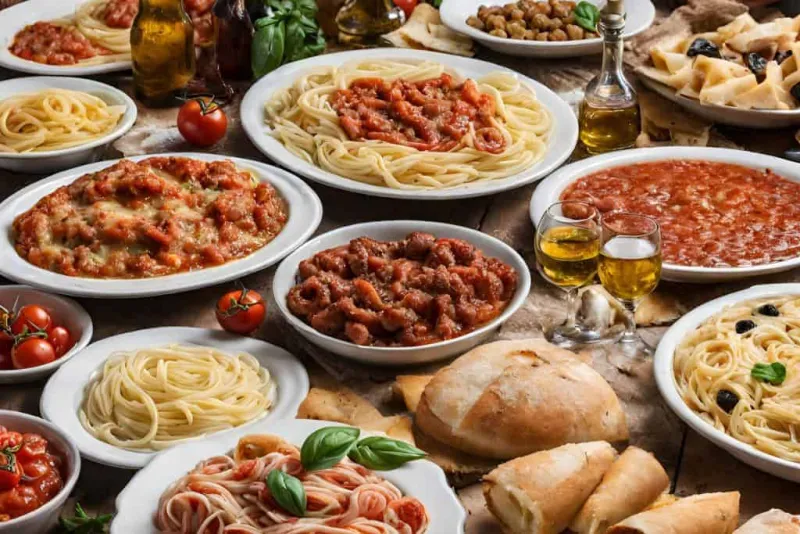
Photo: Italian bakery counter with cornetti pastries and espresso bar morning light, via didsomeonesayitaly.com
There is a particular fantasy that attaches itself to a villa holiday before you've even booked the flights. It involves a long table, a bowl of figs, four kinds of cheese, a cafetière and somebody's partner making eggs. In reality, the person making eggs is hot, the figs are expensive, and half the group is still asleep behind a shutter that doesn't quite close.
The alternative is smaller and considerably better: a short morning walk to the village, a bakery, a bar, and a bag of warm things. One errand. Fifteen minutes each way if you're lucky. It is, in my experience, the single most reliable pleasure of a villa week — and the one most likely to set the whole day's pace.
The case against the villa breakfast event
Self-catering breakfast in Italy sounds lovely until you've done it for four consecutive mornings. Someone has to buy the eggs. Someone has to remember how the hob works. The dishwasher is already full. And by the time the last person surfaces at 9.40am, the kitchen is a crime scene and the sun is climbing towards the part of the day when nobody wants to be standing over a pan.
This isn't a failure of planning. It's a mismatch of expectations. British holidaymakers tend to arrive with a hotel-buffet mental model: a spread, a selection, a hot element. Italians, by and large, don't do that at home. A typical colazione is a coffee and a pastry, taken standing up, at a bar, on the way to something else. Once you accept that, the whole morning loosens.
How the bakery run actually works
First, the timings, because this is where UK habits trip people up. An Italian panificio or pasticceria is a morning creature. Many open around 7am and shut by 1pm or 2pm. Some close one weekday — Wednesday is common — and a good number shut on Sunday afternoons. In August, a hand-written chiuso per ferie sign can appear with no warning whatsoever. Check the day before, not on the morning.
The bar next door is more forgiving, opening early and staying open, but the pastry counter empties fast. If you want the good cornetti, aim to be there between 7.30 and 8.30. Later than that and you're choosing from what's left, which is fine, but it's not the same.
Who goes, and how to avoid a committee
The single best decision you can make is a rota. Two people per morning, no negotiation at the door. The early riser and the night owl make a surprisingly good pair, because one is awake and the other is too tired to argue. Everyone else stays exactly where they are.
A word of warning: the phrase "I'll come with you" is a trap. It sounds sociable. What it actually means is that four adults will now stand outside a bakery for ten minutes discussing whether to get one sfogliatella or six, while the coffee goes cold at home. Keep the party small. Two is ideal. Three is a crowd with opinions.
Do take a bag. A proper one, not the flimsy thing from the airport. And take cash — a ten-euro note and some coins. Card machines are increasingly common in Italian bars and bakeries, but in a small village on a Sunday morning, cash is still the thing that works.
What to bring back
The list matters less than the rhythm. A dozen cornetti — some empty, some with crema, some with apricot jam — will keep a group of six happy. Add a loaf of bread for later, a slab of focaccia if they have it, and a tub of yoghurt if there's a fridge to put it in. If there's a pasticceria doing brioche col tuppo, get those instead; they're bigger, softer and better with granita, which is a Sicilian habit worth adopting.
Coffee is the bit people overcomplicate. Don't try to recreate the bar at home. Have your espresso standing at the counter — it costs less, it tastes better, and it takes ninety seconds. Then bring back a carton of milk or a bag of ground coffee for the moka pot, and let the villa do its own thing. Nobody needs a latte-art performance at 8am.
One small cultural note: a cappuccino after 11am will attract a look in some places, though nobody will say anything. Before 11, order freely. After 11, switch to espresso and save yourself the mild sense of being judged by a man in a waistcoat.
The trick is what it does to the day
A bakery run changes the shape of the morning. People wake up to something already on the table — a bag, a few plates, a pot of coffee — rather than to a task. The kitchen stays clean. The heat stays outside. And because nobody has spent an hour cooking, there's no sense of grievance when the first person announces they're getting in the pool at 10.30.
It also gives the day a natural starting point that isn't a screen. You walk, you nod at the same man setting out chairs, you learn which bar keeps the good cornetti and which one is for coffee only. By day three, the woman behind the counter knows your order. That's not a small thing. It's the difference between staying in a villa and staying in a place.
A few practical bits
- Sunday is the pinch point. Buy more on Saturday. Some bakeries close, and the ones that open sell out early.
- August is its own season. Village shops empty out as owners take their own holidays. Ask at the bar where the nearest open bakery is; someone will know.
- Don't drive twenty minutes for pastry. The whole point is that it's close. If the nearest village is a drive away, do it once, buy more, and accept the compromise.
- Keep a list on the fridge. Not a group chat. A list. It's faster and it doesn't ping at 7am.
- Bring back a receipt. Splitting costs is easier when there's a number on a piece of paper, and it avoids the low-level awkwardness of a group kitty nobody wants to administer.
The buffet will still be there if you want it. But on a hot Italian morning, with the shutters open and the pool still cool, a paper bag and a warm cornetto is the better breakfast — and the better start to the day.